










Industrial Wound Rotor Induction Motor: High-Efficiency HV Slip Ring Motors
Product Introduction
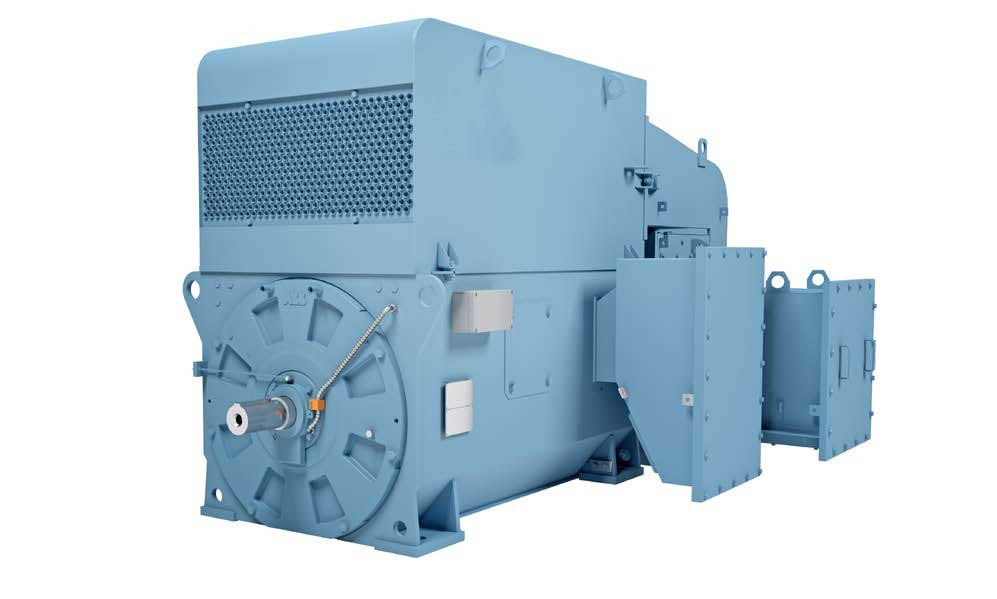
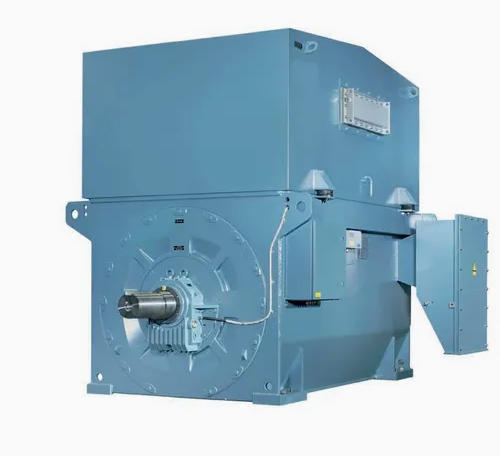
The wound rotor induction motor is a high-voltage three-phase asynchronous motor developed based on years of research and manufacturing experience. It features a box-type structure with a steel plate welded frame, offering lightweight construction and excellent rigidity.
Structural Design
The stator adopts a slide-in external press-fit structure. The stator winding uses F-class insulation materials with reliable fixing and bundling at the ends. During manufacturing, the motor undergoes multiple inter-turn pulse voltage tests and ground pressure tests through vacuum pressure impregnation (VPI) with solventless paint. This process ensures excellent insulation performance, good mechanical strength, and strong moisture resistance.
The wound rotor is also treated with Class F insulation and VPI process. All rotor weld heads and wiring are properly insulated. The slip ring and stator winding are located in two isolated spaces to prevent dust from entering the winding. The motor offers two bearing options: rolling bearing and sliding bearing. The standard protection level is IP54, with higher protection levels available for the bearing when required.
Technical Parameters
- Center height range: H400 ~ 1000mm
- Power range: 200kW ~ 12000kW
- Number of poles: 4/6/8/10/12
- Rated voltage: 6000V/6600V/10000V/11000V
- Rated frequency: 50HZ/60HZ
- Protection level: IP54 or IP55
- Insulation class: F
- Work system: S1 (continuous)
- Cooling method: IC81W
- Installation form: IMB3
- Motor connection: Y (three outlet terminals in the junction box)
- Altitude: no more than 1000m
Operating Environment
The motor is suitable for environments where the ambient air temperature does not exceed 40°C and is not lower than -15°C. It should operate in areas without serious dust, corrosive gases, or explosive gases. Custom versions can be made for damp heat or high-altitude conditions.
Key Features
The wound rotor induction motor can increase starting torque while maintaining a small starting current. It is particularly suitable for applications where:
- The feeder line capacity is insufficient for starting squirrel-cage rotors
- Long starting times are required
- Frequent starting is needed
- Small-range speed regulation is required
- This series offers advantages including high efficiency, energy saving, low noise, low vibration, lightweight design, reliable performance, and convenient installation and maintenance.
Manufacturing Process
Stator production: casing processing → punching press → iron core seating → coil making → weaving → dipping paint drying
Rotor production: blank shaft processing → iron core press installation → iron core cast aluminum → rotor string shaft → weave → dipping paint drying → dynamic balance
Assembly: stator rotor assembly → machine test → motor appearance coloring → packaging storage
Quality Assurance
The manufacturing facility adheres to green, efficient, and energy-saving production principles. It focuses on harmonious development of internal and external environments, builds environmentally friendly manufacturing enterprises, strictly implements standard motor processes, and selects high-quality energy-saving materials to ensure product quality.
Company Advantages
- Professional motor manufacturing service provider
- Comprehensive product quality management and certification system
- Professional sales and technical service team
- Perfect manufacturing processes and strong mechanical processing capability
- High-standard product technical service system
- Good faith, mutual benefit, and reliable credit guarantee
Related Posts

NORD UNIVERSAL SMI Worm Gearmotor (Low Voltage)
Jua 27, 2026
NORD MAXXDRIVE® Parallel Gear Unit (Standard Model)
Jua 26, 2026
SIEMENS Industrial Low-Voltage Helical Gearmotor
Jua 26, 2026