











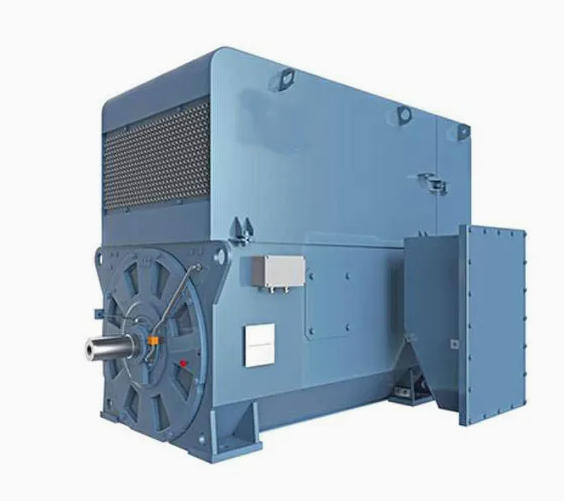
Why Does Electric Motor Vibration Occur? Common Causes
Electric motor vibration is a critical concern across numerous industrial and commercial equipment applications. While minor vibration occurs inherently in most rotating machinery, excessive or abnormal electric motor vibration can severely compromise motor performance and shorten service life. Gaining insight into the root triggers behind electric motor vibration enables effective preventive maintenance and sustains long‑run operational efficiency. This guide covers the underlying causes of electric motor vibration, its adverse impacts, plus practical solutions for troubleshooting and vibration mitigation. Professionals can offer guidance on identifying and resolving such motor faults.
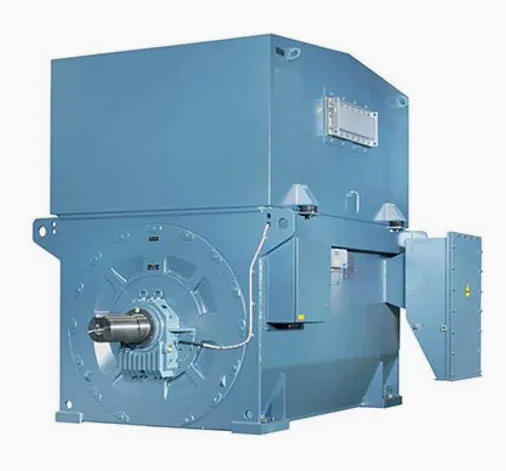
The Damaging Impacts of Electric Motor Vibration
Electric motor vibration brings far more than unwanted noise; it triggers component damage and efficiency losses. Key risks induced by electric motor vibration are listed below:
- Reduced motor service life: Excessive electric motor vibration abrades bearing assemblies and degrades winding insulation. It weakens component performance and raises unexpected motor failure risks.
- Higher energy consumption: Electric motor vibration creates extra energy waste, cutting overall motor efficiency and driving up operating expenses.
- Mechanical component deterioration: Persistent electric motor vibration wears bearings, motor shafts and installation foundations, resulting in premature mechanical breakdown.
- Insulation failure hazards: Reciprocal movement generated by electric motor vibration damages winding insulation, which may produce electrical short‑circuits and potential safety risks.
For this reason, root‑cause factors of electric motor vibration must be located and rectified in a timely manner to avoid performance deterioration of electric motors.
Common Root Causes of Electric Motor Vibration
Diagnosing motor malfunctions relies heavily on identifying sources of electric motor vibration. Major triggers for electric motor vibration are sorted as follows:
- Rotor Unbalance
Rotor unbalance ranks among the most frequent contributors to electric motor vibration. Poor rotor balancing produces uneven centrifugal force during rotation and gives rise to severe electric motor vibration. - Bearing Malfunctions
Excessively large or insufficient bearing clearance creates operational instability. It makes the rotor run with offset displacement and generates noticeable electric motor vibration. - Mechanical Misalignment
Shaft misalignment or coupling misalignment between the electric motor and driven equipment is another source of electric motor vibration. Misaligned shafts and couplings impair both motor performance and service lifespan. - Defective Coupling & Gear Assemblies
Damaged gears or couplings are typical sources of electric motor vibration. Common triggers include poor gear meshing, heavy gear‑tooth abrasion, insufficient lubrication, skewed or displaced couplings, defective gear‑coupling tooth profiles and tooth pitches, oversize clearances and severe component wear. - Improper Foundation & Mounting Conditions
Loose mounting structures or unstable installation foundations amplify electric motor vibration and undermine motor running stability and efficiency. - Uneven Air‑gap Clearance
Non‑uniform air gaps between rotor and stator constitute another cause for electric motor vibration. Disturbed magnetic fields from inconsistent air gaps bring on electric motor vibration and degrade output performance. - Additional Contributing Factors
- Mechanical rotating‑part unbalance: loose core supports, offset keys, failed fastening pins, and poorly secured rotor windings.
- Vibration transmitted from driven loads: for instance, vibration from connected fans and water pumps transfers back and induces electric motor vibration.
- Inherent structural defects: worn shaft journals, bent rotating shafts, improper clearance between shaft and bearing shells, insufficient rigidity of bearing housings, base plates or the whole mounting foundation.
- Thermal‑induced misalignment: aligned centrelines under cold conditions shift after long‑time operation due to deformation of rotor support points and installation bases, triggering electric motor vibration.
- Electrical‑related defects: incorrect stator wiring for AC motors; shorted rotor windings on wound‑rotor induction motors; inter‑turn short‑circuits and wrong coil connections on synchronous‑motor excitation windings; broken rotor bars for squirrel‑cage induction motors; rotor‑core deformation leading to uneven stator‑rotor air gaps. All these faults distort air‑gap magnetic flux and provoke electric motor vibration.
Diagnosis & Remediation for Electric Motor Vibration
1. Electrical‑origin electric motor vibration
Where electric motor vibration stems from electrical faults (e.g. unbalanced stator‑winding resistance, rotor short‑circuits), inspect stator‑winding phase balance. Asymmetry on stator or rotor windings will trigger abnormal operation and excessive electric motor vibration.
2. Mechanical‑origin electric motor vibration
For mechanically induced electric motor vibration, calibrate shaft centring and alignment. Replace defective bearings, and adjust stator‑rotor air gaps to conform to industry standards.
3. Vibration from couplings and transmission systems
Inspect couplings and other transmission components. Misalignment and component wear create asymmetrical mechanical forces that cause system‑level electric motor vibration. Periodic component inspection helps prevent subsequent equipment damage.
4. Preventive measures against excessive electric motor vibration
Implement standardized motor installation with firm foundations and precise shaft alignment. Schedule routine maintenance and prompt component repairs to keep motors in good condition and stop electric motor vibration from recurring.
Related Posts

NORD UNIVERSAL SMI Worm Gearmotor (Low Voltage)
Jua 27, 2026
NORD MAXXDRIVE® Parallel Gear Unit (Standard Model)
Jua 26, 2026
SIEMENS Industrial Low-Voltage Helical Gearmotor
Jua 26, 2026