











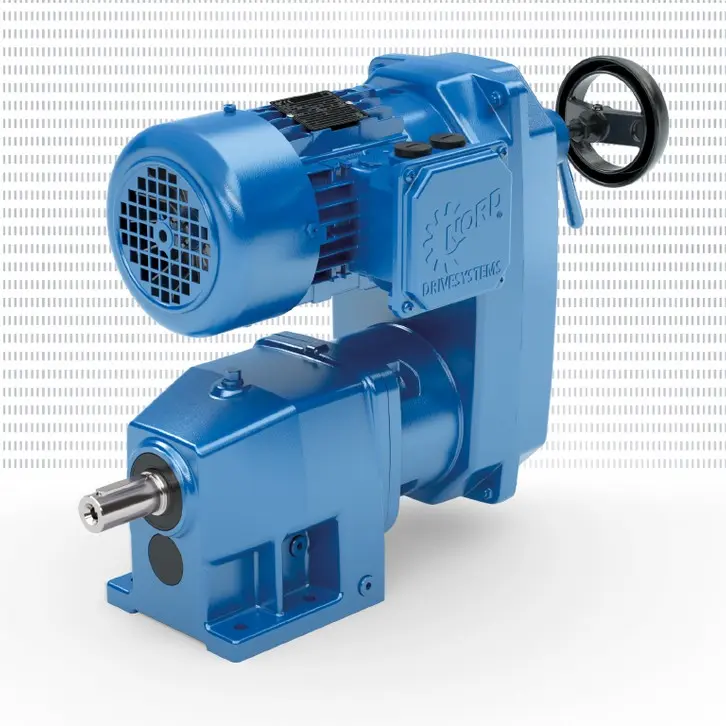
Understanding AC Motors: Types, Operation, and Core Components
AC motors are essential machines used across industrial, commercial, and residential applications. They convert electrical energy into mechanical motion through electromagnetic induction. Understanding AC motors: types and their core components is crucial for selecting the right motor for specific needs.
How AC Motors Work
The operation of an AC motor relies on two main parts: the stator (stationary outer part) and the rotor (rotating inner part). When alternating current flows through the stator windings, it generates a rotating magnetic field. This field induces a voltage and current in the rotor, creating torque that initiates rotation.
Exploring AC Motors: Types
When exploring AC motors: types, they are primarily categorized by their power supply and rotor structure:
- By Power Supply: Single-phase motors are typically used in residential settings, while three-phase motors are the standard for heavy industrial applications.
- By Rotor Structure: Most AC motors are induction motors. The two main rotor types are the Squirrel Cage Rotor (simple, durable, and common) and the Wound Rotor (slip ring motor, which allows for precise speed and torque control).
- Other Variations: The market also includes synchronous motors, brake motors, and multi-speed motors designed for specialized tasks.
- Key Components
- Stator: Consists of a laminated iron core and copper wire coils. In three-phase motors, the windings are positioned 120° apart to ensure smooth operation.
- Rotor: Receives power from the stator's magnetic field rather than a direct electrical connection. Squirrel cage rotors use aluminum or copper bars, while wound rotors use wire coils connected to slip rings.
- Starting Methods and the Y2 Series
To prevent electrical damage, AC motors utilize various starting methods, such as Star-Delta starters, Auto-Transformer starters, and Soft Starters. For businesses seeking reliable equipment, the Y2 series asynchronous motor is an excellent choice. Building on the Y series, the Y2 motor offers higher starting torque, an IP54 protection class, and F-class insulation, making it a robust, cost-effective solution for bulk procurement in industrial applications.
Related Posts

NORD UNIVERSAL SMI Worm Gearmotor (Low Voltage)
Jua 27, 2026
NORD MAXXDRIVE® Parallel Gear Unit (Standard Model)
Jua 26, 2026
SIEMENS Industrial Low-Voltage Helical Gearmotor
Jua 26, 2026