










Understanding YVP Class H Insulation Motors: Features, Benefits, and Applications
Introduction to YVP Class H Insulation Motors
The YVP Class H Insulation Motor is a specialized variable frequency motor engineered to operate efficiently under variable speed drives. The 'Class H' insulation refers to the motor's ability to withstand high temperatures up to 180°C (356°F), making it ideal for harsh industrial environments. These motors are widely used in applications where precise speed control and durability are critical, such as conveyors, pumps, and fans.
Key Features of YVP Class H Insulation Motors
YVP motors are designed with advanced insulation systems that provide excellent thermal stability. The Class H insulation ensures the motor can handle frequent starts, stops, and speed variations without overheating. Additionally, these motors are equipped with a separate cooling fan to maintain optimal temperature during low-speed operations, which is a common challenge for standard motors.
Benefits of Using YVP Motors
One of the main benefits of the YVP motor is its energy efficiency. By adjusting the motor speed to match the load, it significantly reduces energy consumption compared to constant-speed motors. This not only lowers operational costs but also extends the motor's lifespan. Furthermore, the robust construction and high-quality materials used by leading motor manufacturers ensure long-term reliability, reducing downtime and maintenance expenses.
Applications of YVP Class H Motors
These motors are versatile and can be found in various industries. They are particularly suited for applications that require variable torque and speed, such as textile machinery, paper mills, and metal processing. The ability to operate smoothly at different speeds makes them an excellent choice for automated systems. Additionally, they are often integrated with gearboxes to provide high torque at low speeds, enhancing their applicability in heavy-duty machinery.
Choosing the Right Motor Supplier
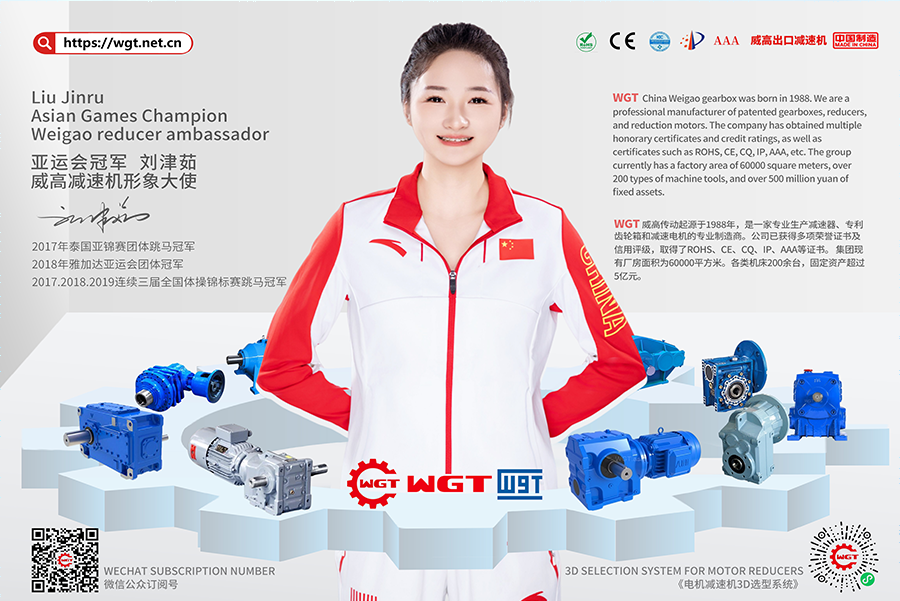
When selecting a YVP motor, it's crucial to partner with a reliable motor supplier who can provide genuine products and technical support. A reputable supplier will ensure that the motor meets your specific requirements and offers after-sales service. For instance, WGTmotor.com is a trusted name in the industry, known for supplying high-quality electric motors, including brake motors, explosion-proof motors, and of course, YVP series motors. Their expertise and comprehensive range make them a one-stop solution for all motor needs.
Maintenance and Troubleshooting Tips
Proper maintenance is essential to maximize the performance of your YVP motor. Regularly check the insulation resistance and ensure the cooling fan is clean and functional. Also, verify that the motor is correctly aligned with the driven equipment to avoid undue stress. If you encounter issues such as overheating or abnormal noise, consult the manufacturer's manual or contact your motor manufacturer for guidance. Common problems include loose connections, bearing wear, or capacitor failure in single-phase versions.
Common Questions About YVP Motors
1. Can YVP motors be used with a standard inverter?
Yes, YVP motors are designed to work with variable frequency drives (VFDs). However, it's essential to use a VFD that matches the motor's voltage and current ratings for optimal performance.
2. What is the difference between Class F and Class H insulation?
Class H insulation can withstand higher temperatures (up to 180°C) compared to Class F (155°C). This makes Class H motors suitable for extreme environments or applications with high ambient temperatures.
3. Are explosion-proof versions of YVP motors available?
Yes, some manufacturers offer explosion-proof YVP motors for hazardous locations. It's crucial to specify your area classification when ordering.
4. How do I select the right gearbox for a YVP motor?
The gearbox selection depends on the required output torque and speed. Ensure the gearbox's input shaft matches the motor's shaft diameter and that the gearbox can handle the motor's torque at low speeds.
Tags:
Related Posts

NORD UNIVERSAL SMI Worm Gearmotor (Low Voltage)
Jua 27, 2026
NORD MAXXDRIVE® Parallel Gear Unit (Standard Model)
Jua 26, 2026
SIEMENS Industrial Low-Voltage Helical Gearmotor
Jua 26, 2026