











Unlocking Efficiency and Reliability: The Comprehensive Guide to YE3 Motor Fans and Industrial Motor Solutions
Understanding the YE3 Motor Fan: A Leap in Energy Efficiency
The YE3 motor fan is a high-efficiency, three-phase asynchronous motor designed to meet stringent international energy standards, such as IE3 efficiency levels. Unlike traditional motors, the YE3 motor fan incorporates advanced materials and optimized designs to minimize energy losses, particularly in the cooling system. The fan itself plays a crucial role in dissipating heat, ensuring the motor operates at optimal temperatures without excessive power draw. This makes it an ideal choice for industries aiming to reduce electricity costs and carbon footprints. For instance, in applications like pumps, compressors, and conveyors, the YE3 motor fan can lead to significant energy savings over its lifespan, often paying for itself through reduced utility bills.
Key Components and Industrial Motor Solutions
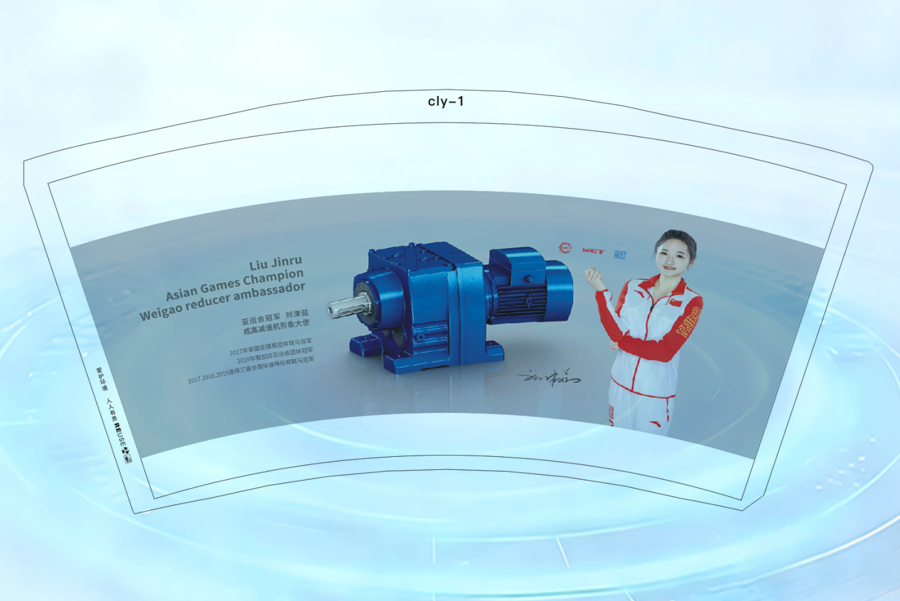
To fully leverage the benefits of the YE3 motor fan, it's essential to integrate it with complementary motor technologies. A reliable motor supplier or motor manufacturer can provide a range of solutions tailored to specific needs. Variable frequency motors, for example, allow precise speed control, enhancing efficiency in variable-load applications like HVAC systems or industrial machinery. Brake motors are vital for safety, offering quick stopping capabilities in equipment such as cranes or elevators. In hazardous environments, explosion-proof motors are indispensable, designed to prevent ignition of flammable gases or dust. Additionally, gearboxes can be paired with motors to adjust torque and speed, optimizing performance in heavy-duty tasks like material handling or manufacturing lines. By sourcing from reputable platforms like WGTmotor.com, businesses can access a wide selection of these components, ensuring compatibility and quality.
Applications and Best Practices for Implementation
The versatility of the YE3 motor fan extends across various sectors, including manufacturing, agriculture, and energy production. In practice, it's recommended to conduct a thorough assessment of your operational requirements before selection. Consider factors such as load characteristics, environmental conditions, and maintenance schedules. For example, in a factory setting, combining a YE3 motor fan with a variable frequency motor can adapt to fluctuating production demands, while an explosion-proof motor might be necessary in chemical plants. Regular maintenance, such as cleaning the fan blades and checking for wear, is crucial to sustain efficiency. Partnering with experienced suppliers ensures access to technical support and spare parts, minimizing downtime. Real-world case studies show that companies adopting these integrated solutions often report improved productivity and reduced operational costs.
Common Questions
What makes the YE3 motor fan more efficient than older models?
The YE3 motor fan achieves higher efficiency through improved design features, such as better insulation materials, optimized rotor and stator geometries, and enhanced cooling systems that reduce energy losses. This results in lower electricity consumption and heat generation, meeting IE3 efficiency standards.
How do I choose the right motor supplier for my needs?
Look for a motor supplier or manufacturer with a proven track record, certifications (e.g., ISO standards), and a diverse product range. Platforms like WGTmotor.com offer comprehensive catalogs and customer reviews, making it easier to compare options and ensure reliability and after-sales support.
Can variable frequency motors be used with YE3 motor fans?
Yes, variable frequency motors are highly compatible with YE3 motor fans. They allow for adjustable speed control, which can further enhance energy savings by matching motor output to actual load requirements, reducing waste in applications like fans or pumps.
What are the safety considerations for explosion-proof motors?
Explosion-proof motors are designed with enclosures that contain any internal explosions, preventing them from igniting external hazardous atmospheres. It's essential to select motors rated for the specific gas or dust group in your environment and follow installation guidelines to maintain safety certifications.
How do gearboxes complement motor performance?
Gearboxes adjust the speed and torque output of motors, allowing for precise control in applications requiring high force at low speeds, such as in conveyor systems or heavy machinery. This synergy can optimize efficiency and extend the lifespan of both the motor and driven equipment.
Tags:
Related Posts

NORD UNIVERSAL SMI Worm Gearmotor (Low Voltage)
Jua 27, 2026
NORD MAXXDRIVE® Parallel Gear Unit (Standard Model)
Jua 26, 2026
SIEMENS Industrial Low-Voltage Helical Gearmotor
Jua 26, 2026