











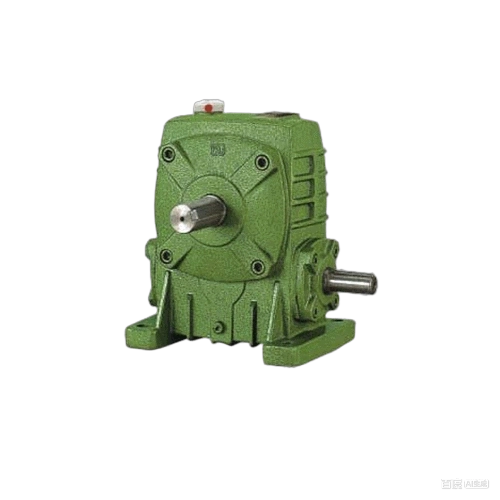
What are the preventive measures for the emulsification of lubricating oil in WPA135-60-B worm gear reducer?
WPA135-60-B worm gear reducer lubricant emulsification preventive measures, core prevention principles: block water intrusion, control temperature difference condensation, ensure qualified oil, standardize operation and maintenance conditions, and specifically solve the pain points of this model's large speed ratio (60) and heavy load, and the worm gear bronze material is susceptible to corrosion. The specific measures are as follows:
1. Strictly control the intrusion of external moisture and eliminate water intrusion from the source (the main cause of emulsification)
Regularly check the sealing system. The bearing end cover skeleton oil seal of this model is inspected every 6 months. The focus is to check that the lip is not damaged or aged, and that the outer ring is tightly fitted. If the lip is hard or cracked, replace it immediately. Reassembly must strictly follow the specifications to ensure the direction and coaxiality to prevent water seepage in the gap between the shaft and the oil seal. The seals on the upper and lower joint surfaces of the box and the end cover joint surface are inspected every year. They are replaced in time for aging and degumming. The bolts are evenly tightened diagonally without loose gaps.
Maintain the breathing valve. The breathing valve is the key to moisture-proofing. Clean the filter element every 3 months to remove dust and oil to ensure smoothness and moisture-proof filtration function. If it is damaged or blocked, replace it immediately. When installing in a humid environment or outdoors, install a rainproof and dustproof breathing valve to further isolate humid air.
Standardize the maintenance and refueling operation. After maintenance and disassembly, the end cover and the inside of the box must be wiped dry and free of condensation water before reinstalling the machine; before refueling, make sure that the special worm gear oil is not affected by moisture, seal the oil drum promptly after opening, wipe the refueling tools in advance to prevent moisture, and it is strictly prohibited to refuel with water; tighten the oil plug in time after refueling to prevent loosening and leakage.
Optimize the installation environment and avoid installing the reducer in low-lying waterlogged areas or humid and dark areas. The ground should be treated with moisture-proof treatment. A rainproof cover should be installed for outdoor installation. The bottom of the box should be kept away from ground water to prevent water vapor from penetrating through the tiny pores of the cast iron box.
2. Control internal temperature difference and condensation to reduce the generation of condensation water (this model is prone to heat generation due to its large speed ratio and high incidence of condensation)
Stable operating conditions, minimize frequent starts and stops, and avoid sudden rises and drops in oil temperature in a short period of time; if intermittent operation is required, wait until the oil temperature drops to close to room temperature (below 40°C) before shutting off the power to reduce negative pressure and moisture absorption caused by temperature differences; before long-term shutdown, replace the oil with new oil and tighten all sealing parts. During shutdown, start the machine and run without load for 10-15 minutes every month to dissipate internal moisture.
To improve heat dissipation efficiency, regularly clean the cooling fins of the box to remove oil and dust to ensure smooth heat dissipation and avoid excessively high oil temperature during operation (control the normal oil temperature to 60-80°C, not exceeding 90°C); if the ventilation at the site is poor, install a forced cooling fan to stabilize the oil temperature, reduce the cooling temperature difference after shutdown, and reduce condensation.
Install an anti-condensation auxiliary device. In an environment with high humidity, a small moisture-proof heater can be installed on the top of the reducer. It can be powered on and heated during shutdown to keep the temperature inside the box slightly higher than the outside to prevent water vapor condensation; or an oil and gas separation device can be installed to reduce the retention of moist air inside.
Tags:
Related Posts

NORD UNIVERSAL SMI Worm Gearmotor (Low Voltage)
Jua 27, 2026
NORD MAXXDRIVE® Parallel Gear Unit (Standard Model)
Jua 26, 2026
SIEMENS Industrial Low-Voltage Helical Gearmotor
Jua 26, 2026